
Fire Prevention Month: The Buildup Risk Behind Oilfield, Fleet, and Wind Turbine Fires in West Texas
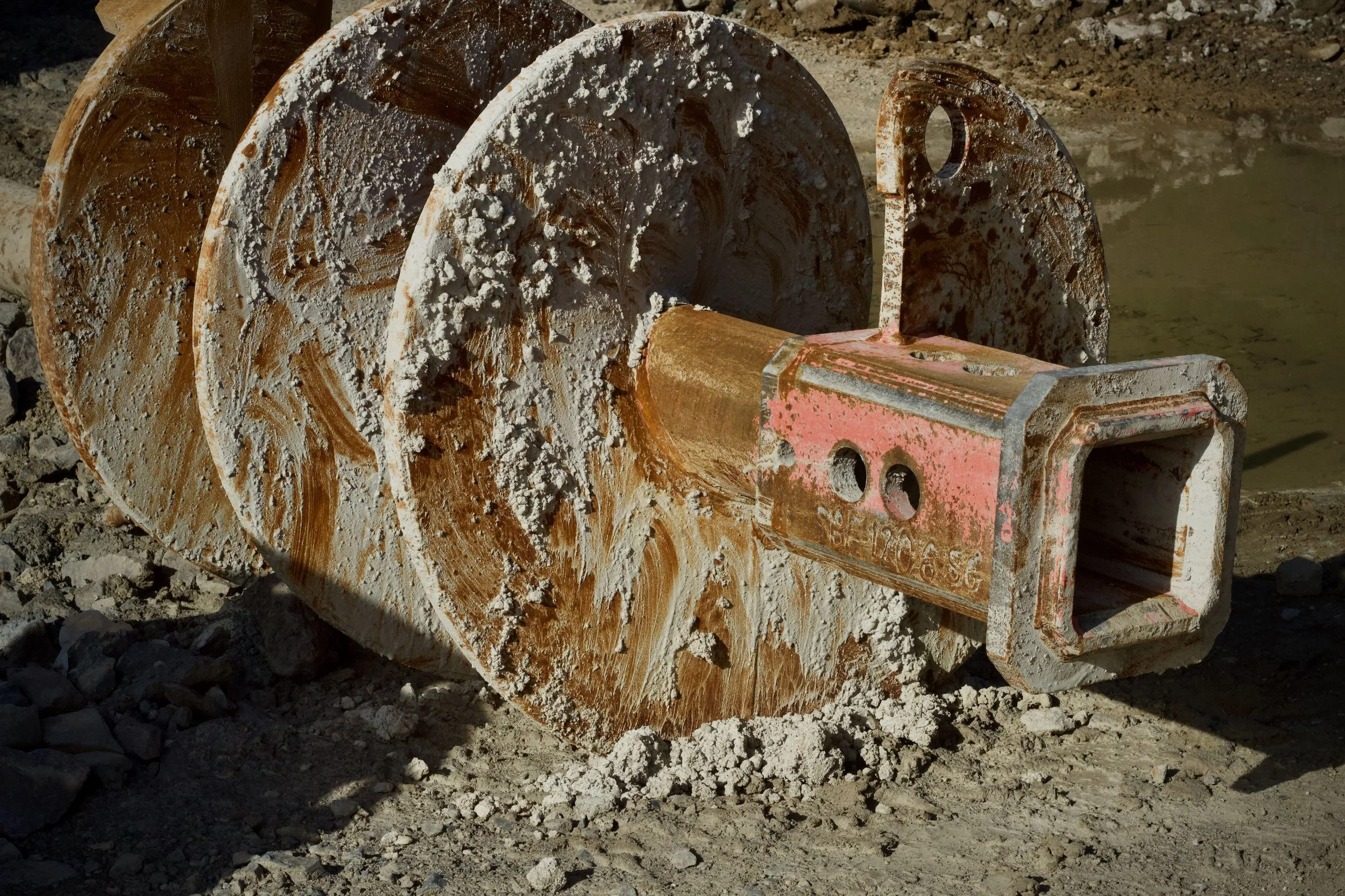
Fire Prevention Week runs October 4 through 10 this year, and most of the messaging around it is aimed at homes: smoke alarms, escape plans, space heaters. West Texas job sites carry a version of that same risk that rarely makes the list. Grease, oil, and residue buildup on rigs, fleet vehicles, heavy equipment, and even wind turbines is a documented fire hazard in its own right, and it shows up across three very different kinds of equipment for largely the same reason.
Oilfield Rigs and Equipment
Fire prevention on a rig site isn't optional guidance, it's written into the industry's own safety standards. API Recommended Practice 54 [1], the American Petroleum Institute's standard for occupational safety on drilling and well servicing operations, requires that equipment be maintained with due regard to fire potential with respect to housekeeping and materials storage. That's industry language for a simple fact: oil, grease, and drilling fluid residue accumulating on rig equipment, pumps, and surrounding work areas is treated as a fire hazard that has to be actively managed, not just a cosmetic issue.
Regular equipment washing and degreasing is part of how that standard gets met in practice. West Texas Pressure Services provides oilfield cleaning [2] across rigs, pumps, and surrounding pad areas, removing the kind of buildup that standards like RP 54 are written to address.
Heavy Equipment and Fleet Vehicles
The same risk shows up on construction, agricultural, and fleet equipment, and it's well documented outside the oilfield too. According to loss control guidance from Great American Insurance Group [3], common job site exposures include the buildup of dust and grease on equipment, and without proper daily housekeeping, these exposures can easily ignite a fire. Engine compartments concentrate several fire sources into a small space already, fuel lines, hot exhaust components, electrical wiring, so a layer of accumulated oil and grease sitting on top of that is exactly the kind of avoidable fuel source fire prevention standards are meant to eliminate.
West Texas Pressure Services provides fleet and heavy equipment washing [4] for exactly this reason, clearing engine compartments, undercarriages, and exterior surfaces of the buildup that turns routine equipment into unnecessary fire risk.
Wind Turbines
Wind turbines carry a less obvious version of the same problem. A single turbine nacelle can hold up to 200 gallons of hydraulic fluid and lubricant [5], and insulation inside the nacelle can become contaminated by oil deposits over time, adding to the overall fuel load if a fire does start. The specialized work inside a nacelle's hydraulic and lubrication systems belongs to trained turbine technicians, not a cleaning crew, but the exterior of the turbine and the ground-level equipment supporting it are a different story. Dust, insect buildup, and oil residue on tower exteriors, access points, and maintenance vehicles are part of the same housekeeping principle that applies everywhere else on this list.
West Texas Pressure Services supports wind farm operators with turbine exterior cleaning [6], tower washing, and degreasing of ground support equipment and maintenance vehicles, keeping the areas within our scope clear of the buildup that contributes to risk across a wind energy site.
The Common Thread
Three different kinds of equipment, three different industries, and the same underlying issue: grease, oil, and residue buildup doesn't just look bad, it's a documented contributor to fire risk that industry standards and insurance guidance both treat seriously. Fire Prevention Month is a reasonable prompt to ask when a rig, a fleet, or a wind site last had this kind of buildup actually addressed, not just inspected.
If it's been a while, request a quote [7] from West Texas Pressure Services and we'll get it scheduled.
West Texas Pressure Services. Keeping West Texas equipment clean, one job site at a time.
Sources
External Sources
[1] American Petroleum Institute, Recommended Practice 54, Occupational Safety for Oil and Gas Well Drilling and Servicing Operations. https://www.api.org/~/media/Files/Publications/RP-54_e4.pdf
[3] Great American Insurance Group, "Help Protect Your Heavy Equipment from Fires." https://www.greatamericaninsurancegroup.com/content-hub/loss-control/details/help-protect-your-heavy-equipment-from-fires-checklist-included
[5] Wind Systems Magazine, "Synthetics to Protect the Wind Turbine and the Environment." https://www.windsystemsmag.com/synthetics-to-protect-the-wind-turbine-and-the-environment/
Internal Sources
[2] https://westtexaspressureservices.com/oil-field
[4] https://westtexaspressureservices.com/fleet-washing
