
How Often Should Restaurants in Abilene, TX Get Vent-A-Hood Cleaning?
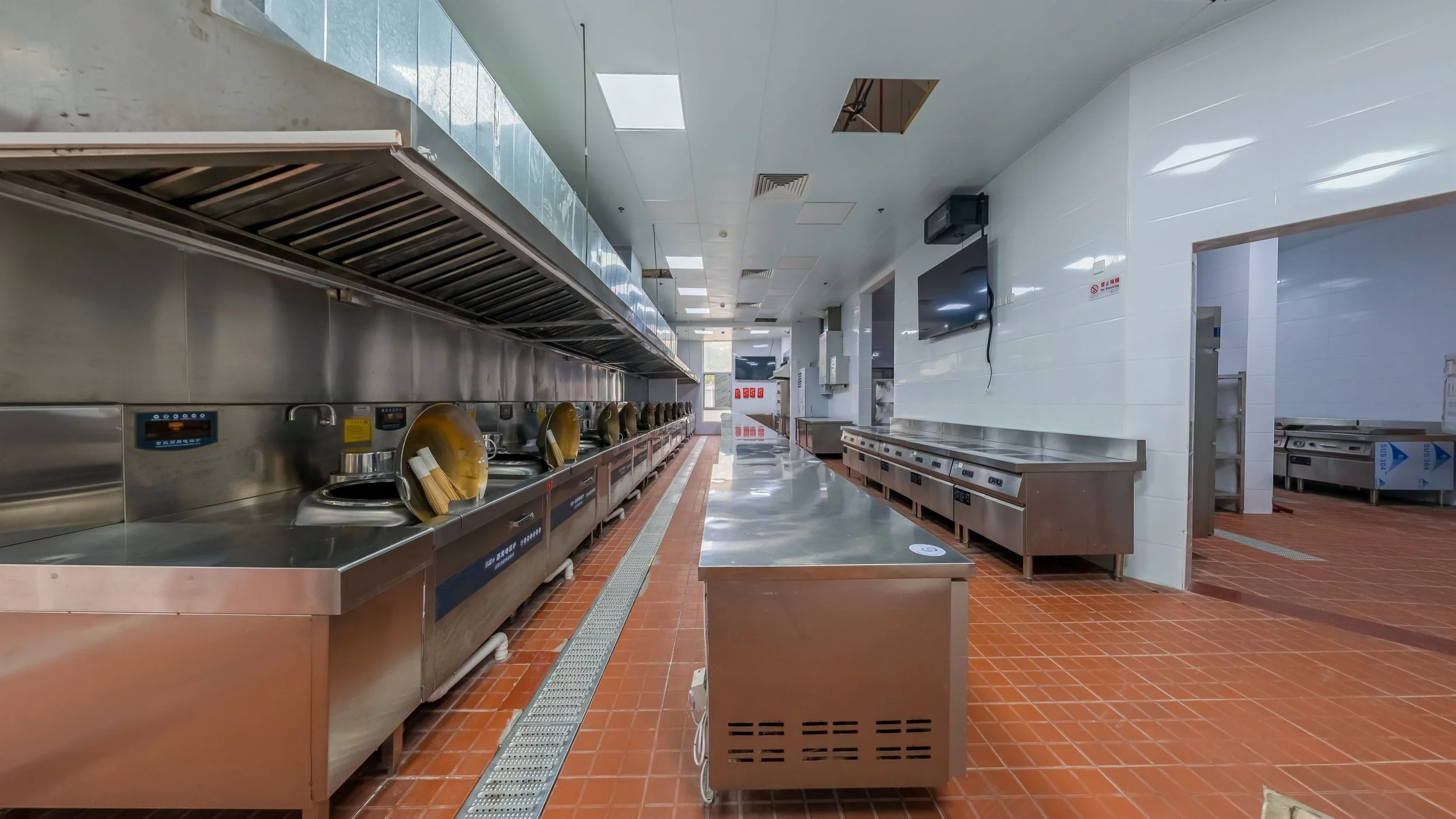
A single grease fire can shut a restaurant down for good. According to data compiled by the National Fire Protection Association, cooking equipment accounted for over 60 percent of fires in eating and drinking establishments over a recent five year stretch, causing more than 100 civilian injuries and roughly 165 million dollars in property damage every year. Most of that risk starts in the same place: a kitchen exhaust system that has not been cleaned on schedule. If you manage or own a restaurant, bar, or commercial kitchen in Abilene, vent-a-hood cleaning is not a cosmetic service. It is a fire code requirement, an insurance safeguard, and one of the easiest ways to keep your kitchen open and compliant.
What the Fire Code Actually Requires
The cleaning schedule for commercial kitchen exhaust systems is not a guess or a sales pitch. It is spelled out in NFPA 96, the Standard for Ventilation Control and Fire Protection of Commercial Cooking Operations, published by the National Fire Protection Association. NFPA 96 sets minimum cleaning frequencies based on how much and what kind of cooking a kitchen does:
Monthly for solid fuel cooking, like wood or charcoal grills.
Quarterly for high volume operations, including 24 hour kitchens, charbroiling, and wok cooking.
Semi-annually for moderate volume kitchens, which covers most full-service restaurants.
Annually for low volume kitchens, such as churches, seasonal facilities, or senior centers.
Local fire marshals and health inspectors in Texas commonly enforce NFPA 96 through the fire code adopted in their jurisdiction, and they have the authority to require more frequent cleaning than the NFPA minimum if a kitchen's grease accumulation warrants it. In practice, this means the schedule that applies to a busy Abilene barbecue joint running a charbroiler seven days a week looks very different from the schedule for a small cafe that closes by 2pm.
Why This Is the Owner's Responsibility, Not Just the Cleaner's
One detail that catches a lot of restaurant owners off guard: NFPA 96 places the responsibility for inspection, maintenance, and cleanliness of the exhaust system on the equipment owner, not the cleaning company, unless that responsibility has been formally transferred in writing. That means if a hood system falls out of compliance, it is the business on the line, not the cleaning contractor's.
This matters at three different points. First, at inspection: Texas health departments and fire marshals can require kitchens to produce current, documented cleaning records on demand, and an inability to do so can result in fines or a forced shutdown. Second, at claim time: insurance carriers routinely review hood cleaning documentation after a kitchen fire, and a lapsed cleaning schedule can be grounds to deny a claim. Third, day to day: grease buildup inside a hood, duct, or exhaust fan does not just create fire risk. It also reduces airflow efficiency, which can leave a kitchen hotter, smokier, and less comfortable to work in.
Signs Your System Is Overdue
A hood does not need to look visibly dirty from the dining room to be out of compliance behind the scenes. Some signs worth watching for between scheduled cleanings:
Visible grease dripping from the hood or filters.
A persistent smoky or greasy smell even with the exhaust fan running.
Grease residue building up on filters faster than usual.
A noticeable drop in how well the exhaust system pulls smoke and heat out of the kitchen.
Any of these is a sign it is time to schedule service rather than wait for the next inspection to catch it.
What a Proper Vent-A-Hood Cleaning Actually Covers
A compliant cleaning goes well beyond wiping down the visible parts of the hood. NFPA 96 calls for cleaning the entire exhaust path, including the hood surface, grease filters, ductwork, and the exhaust fan itself, down to bare metal. Industry groups like the International Kitchen Exhaust Cleaning Association publish detailed standards for what a thorough cleaning should include, and reputable providers align their process with these standards even where local code does not spell out every detail by name. A proper service should also include before and after documentation, photos and a dated service record, so a kitchen has proof of compliance on hand for a fire marshal, health inspector, or insurance carrier without having to scramble for it later.
West Texas Pressure Services provides vent-a-hood cleaning as part of our specialty cleaning services for restaurants, bars, and commercial kitchens throughout Abilene and the surrounding West Texas communities. We are fully insured, and we build cleaning schedules around a kitchen's actual cooking volume rather than a one size fits all interval, so operations are covered whether they are running a high volume grill or a smaller seasonal kitchen. It is one piece of a broader lineup of commercial power washing services we provide to Abilene businesses.
Keeping Your Kitchen Compliant Without the Guesswork
Vent-a-hood cleaning is one of those maintenance items that is easy to put off until it becomes a problem, at which point it is a much bigger and more expensive one. Staying ahead of it protects staff, customers, and the ability to keep the doors open after an inspection, or worse, a fire. If an Abilene restaurant or commercial kitchen is due for service, or the right schedule is not clear, request a quote from West Texas Pressure Services and we will help figure out what that kitchen actually needs.
West Texas Pressure Services. Built for West Texas kitchens and job sites alike.
Sources
External Sources
[1] NFPA 96, Standard for Ventilation Control and Fire Protection of Commercial Cooking Operations, National Fire Protection Association. https://www.nfpa.org/product/nfpa-96-standard/p0096code
[2] "Two NFPA restaurant fire stats you should know," Ansul, citing National Fire Protection Association data on fires in eating and drinking establishments. https://www.ansul.com/insights/two-nfpa-restaurant-fire-stats
[3] International Kitchen Exhaust Cleaning Association (IKECA), industry standards for kitchen exhaust cleaning, inspection, and maintenance. https://www.ikeca.org/
Internal Sources
[4] https://westtexaspressureservices.com/specialty-services
[5] https://westtexaspressureservices.com/commercial-power-washing
